






































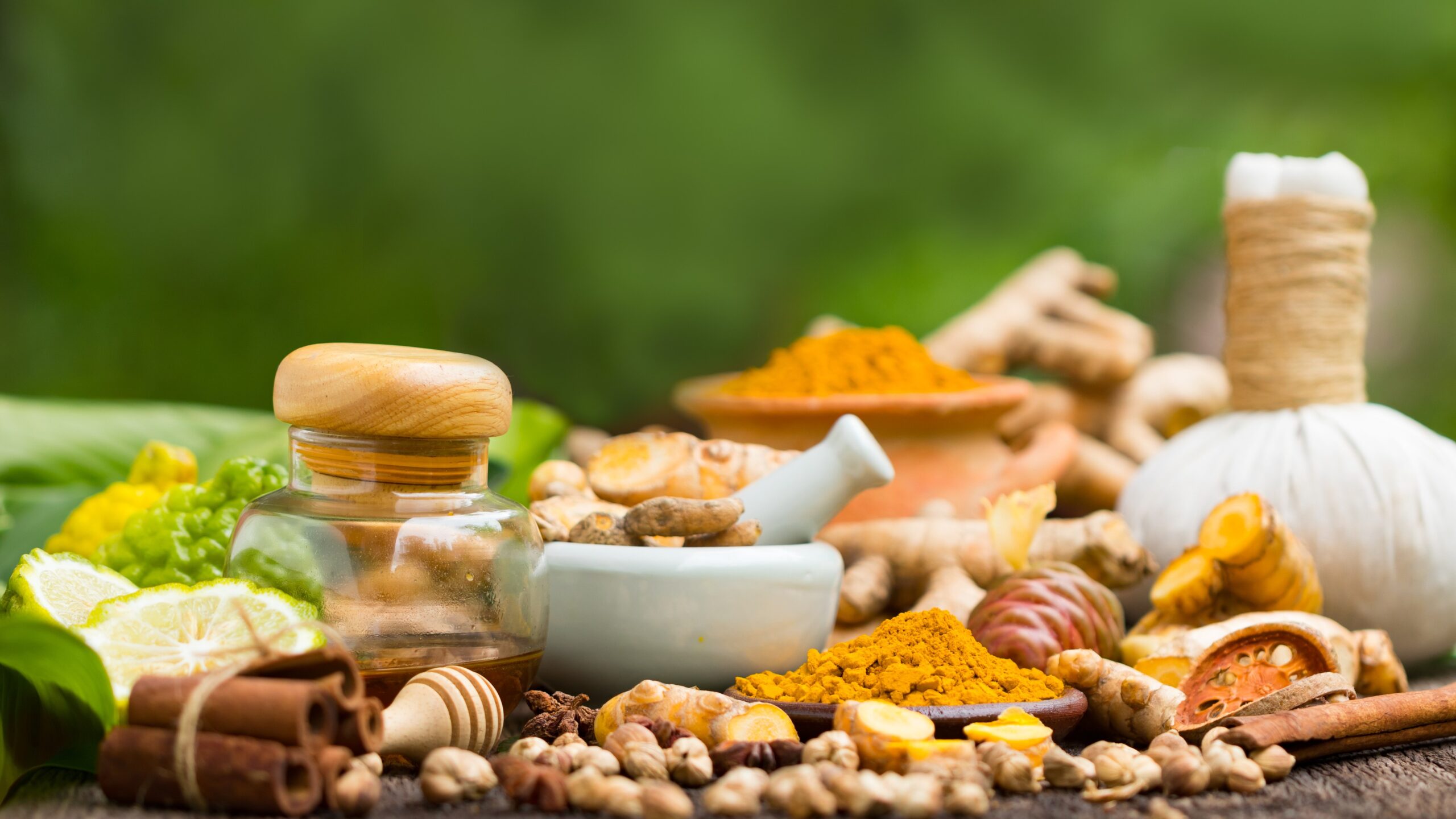
Ayurvedic treatments are most commonly undertaken and widely practiced during the Malayalam month of Karkidakam, the last month in the traditional calendar. The purpose of these treatments is to welcome the upcoming Chingam (the new year) with good health and to strengthen the body for the year ahead.
This month is not just a time for treatments, but also a period that demands special attention to lifestyle and routine. Known in Ayurveda as Visarga Kala, Karkidakam marks the beginning of Dakshinayanam (the sun’s southern transit) and is seen as a time when the body is most vulnerable and in need of nourishment and revitalization.
With the onset of the monsoon, the environment becomes cool and moist, making it an ideal season for Ayurveda. The excess rainfall impacts the elemental balance (Pancha Bhoota), increasing acidity and sourness (Amla rasa) in nature, which also reflects in the human body.
Traditional Ayurvedic practices aim to fortify the body during this time, but treatments must be selected based on individual strength and constitution. One should never self-medicate or take treatments without the guidance of a qualified Ayurvedic physician. Even herbal medicines should only be taken under professional supervision.
Ayurveda, often described as the “science of life,” outlines how one should live—what to eat, how to adapt lifestyle and clothing with the changing seasons, and daily routines (Dinacharya) and seasonal routines (Ritucharya). Its ultimate aim is to prevent diseases in the healthy and manage diseases in the ailing.
Ayurveda primarily discusses three doshas—Vata, Pitta, and Kapha—which need to be in balance for a person to remain healthy. Every medicine and treatment is tailored to correct the imbalance of these doshas. Since each individual has a unique constitution (Prakriti)—Vata, Pitta, Kapha, or a combination—medications are never one-size-fits-all.
Why Karkidakam Requires Special Care
Karkidakam is a time when people are most prone to infections and diseases, largely due to stagnant water and increased spread of communicable diseases. Respiratory issues, allergies, and other Vata-related disorders tend to spike during this season.
Ayurvedic treatments during this period are believed to cleanse the body of toxins and rejuvenate both the body and mind. Ayurveda emphasizes that lifestyle correction, in addition to medicine, plays a key role in disease prevention and management.
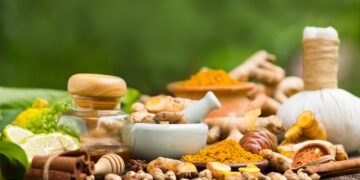
Common treatments during this period include Panchakarma (the five detox procedures)—Vamana (emesis), Virechana (purgation), Basti (enema), Nasya (nasal therapy), and Raktamoksha (bloodletting). Kerala-specific treatments like Uzhichil (massage), Pizhichil, and various Kizhi therapies are also widely practiced.
However, none of these should be undertaken casually or on personal preference. Only after a physician assesses the person’s condition and constitution should such therapies be administered.
Lifestyle Recommendations for Karkidakam
-
Maintain personal and environmental hygiene.
-
Keep the mind calm and clean; avoid mental strain.
-
Eat light meals, preferably easy-to-digest foods.
-
Medicinal rice porridge (Karkidaka Kanji) is very popular during this time. However, it should not be taken as a trend but used according to one’s health needs, using herbs suitable for specific conditions.
-
These porridges are made with herbal extracts and red rice (Njavara), often incorporating Dashapushpam (ten sacred herbs) and local medicinal plants.

Medicinal porridge should always be consumed fresh and warm. Reheating leftover porridge is not advisable. Often, small shallots are added and tempered with ghee, enhancing both flavor and medicinal value. If any discomfort arises, it should be stopped immediately.
Ten Leaves Curry (Pathila Curry)
Another common dietary practice is the consumption of ‘Pathila’ (Ten-leaf curry) made with tender leaves from medicinal and edible plants like pumpkin, yam, colocasia, spinach, etc. It is important to use only tender leaves, as mature leaves can cause allergies, especially in plants like Choriyanam.
One noticeable exception during this season is drumstick leaves, which are usually avoided during the rains, as the plant absorbs toxins from the environment. Only the fresh shoots that sprout after leaf shedding are considered safe.
These ten leaves are used to prepare light curries or stir-fries (thoran) and are known for their high nutritional value and digestive properties.
Disease Prevention and Home Remedies
Since the monsoon invites contagious diseases, it’s recommended to burn medicinal herbs (Dhoopam) for purification. Specific herbal mixtures are used for fumigation, believed to destroy microbes in the environment.
Exercise and Rest
Vigorous exercise is not encouraged during the monsoon. Instead, light indoor exercises and yoga are suitable. Ayurveda strictly advises against daytime sleep during this period, as it can slow digestion and imbalance the doshas.
Dietary Guidelines
-
Use easily digestible grains like barley and wheat.
-
Ensure food is well-cooked and warm.
-
Avoid stale or reheated food.
-
Limit sour or fermented foods like curd, red meat, and heavy-to-digest items.
-
Buttermilk (Moru) is a better choice than curd.
-
Avoid excessive fluid or watery foods.
-
Drink warm water, possibly infused with pepper, dry ginger (chukku), and karingali.
-
Avoid overexertion and maintain clean surroundings to prevent water stagnation and mosquito breeding.
-
Oil massages followed by baths are helpful, but not recommended for those with skin issues or water retention.
While Ayurveda does not restrict treatments to a particular season, Karkidakam is considered highly effective due to the body’s vulnerable state. Treatments during this month can strengthen the body for the year ahead.
Healthy individuals can also benefit by enhancing immunity and nourishment during this time. However, those with pre-existing conditions should undergo treatments only under expert guidance.
To summarize, Ayurvedic treatments in Karkidakam help eliminate toxins, improve digestion, boost immunity, and rejuvenate the body. But these should always be personalized, never generalized.