












































Urgent Intervention Needed from Authorities to Sustain the Trade and Industry Sector
– Chevalier C. E. Chackoony
With over 65 years of experience in the fields of trade, industry, and transport, I have never witnessed such intense challenges and concerns as the ones currently facing these sectors. The influx of hawkers, the dominance of online commerce, the vast street trading controlled by corporate entities, increasing tax complexities, rising operational costs, and worsening traffic congestion are the major factors pushing small and medium enterprises and even building owners into crisis.
Although various initiatives such as Loka Kerala Sabha, Nava Kerala Sadas, numerous investment meets, conclaves, and government programs have been undertaken to promote trade and attract investors to Kerala, several issues hinder progress. These include high service and wage costs, electricity charges, lack of basic infrastructure, poor travel connectivity, and the rigid stance of certain authorities. These factors are discouraging new entrepreneurs from entering the sector. In fact, many who have already started businesses are now finding it difficult to sustain them.
Transport connectivity is critical for overall development.
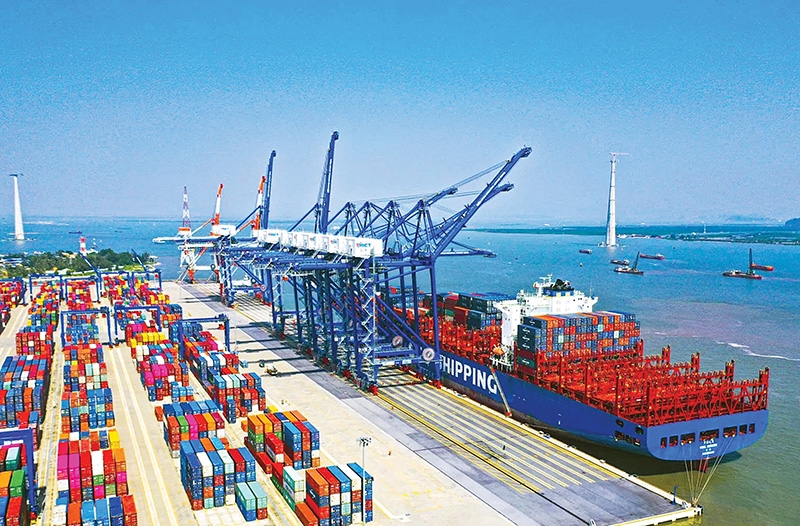
While the completion of national highway construction is expected to ease road travel, landslides and monsoon-related damages have made road travel increasingly difficult. Just as Vizhinjam port is preparing for a breakthrough with the arrival of large container ships, unfortunate incidents such as a major fire on a container vessel at the Beypore estuary and the Ahmedabad plane crash, along with storm damage that disrupted train services due to fallen trees, have significantly worsened transportation hardships across air, rail, road, and water networks both within and outside Kerala.
Kerala, being a consumer state that relies on neighboring states for goods ranging from salt to camphor, is finding it increasingly difficult to recover from these mounting crises.
In addition, it’s hard to ignore that in many cases, more interest seems to lie in controversy than in development. If immediate relief measures are not implemented by the concerned authorities, many more small and medium businesses will be forced to shut down. This will not only impact traders but also the employees and workers dependent on them, and even small building owners renting out space for these businesses.
This domino effect will further reduce revenue for the government, local bodies, and panchayats from taxes and license fees.
To overcome the current crisis faced by the trade and industry sector, joint efforts from the central and state governments, local self-governing institutions, and all relevant stakeholders are necessary — not just state authorities alone.
It is also a reality that the remittances from expatriates are steadily declining. While one section mourns rising unemployment, around 4 million migrant workers are employed in Kerala and are sending money back to their home states — which negatively impacts local purchasing power and trade.
Efforts from respected leaders such as the Chief Minister, Minister of Tourism, Minister of Sports, and Kerala’s Union Ministers including Suresh Gopi and George Kurian have helped include Kerala in key national development projects like the National Highway Development, Sagarmala Project, Port Connectivity, Railway Expansion, and UDAN (affordable air travel). However, delays caused by monsoon-related disasters, ship and plane accidents, and construction flaws have made it difficult to meet deadlines, further slowing down the development of infrastructure and connectivity.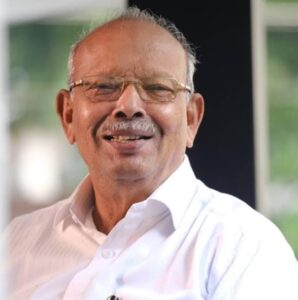
– Chevalier C. E. Chackoony
President, All Kerala Consumer Goods Distributors Association
Patron, Small Scale Building Owners Association
Contact: 9847412000